City of Cape Town Transport System Lifecycle Cost Optimisation

Award-winning lifecycle cost optimisation for Cape Town’s transport system.

Client

City of Cape Town

Project date

The City of Cape Town is responsible for a vast and complex transport network that includes roads, bridges, public transport infrastructure and related assets. Managing this infrastructure sustainably requires a strategic approach to lifecycle cost optimisation, ensuring long-term value and service delivery within budget constraints.


The opportunity

Faced with increasing urbanisation and budgetary pressures, the City needed to improve its asset management practices. The goal was to develop a comprehensive framework that could guide investment decisions, maintenance planning and infrastructure upgrades based on lifecycle cost principles.

What we did

Zutari supported the City of Cape Town by:

  • Lifecycle Cost Modelling: Developed a framework to assess the total cost of ownership for transport assets, including capital, operational and maintenance costs.

  • Data-Driven Decision Making: Enabled prioritisation of interventions based on performance, risk and cost-effectiveness.

  • Stakeholder Engagement: Collaborated with City departments to align technical solutions with operational realities.

  • Sustainability Integration: Ensured that the framework supported long-term resilience and service delivery.

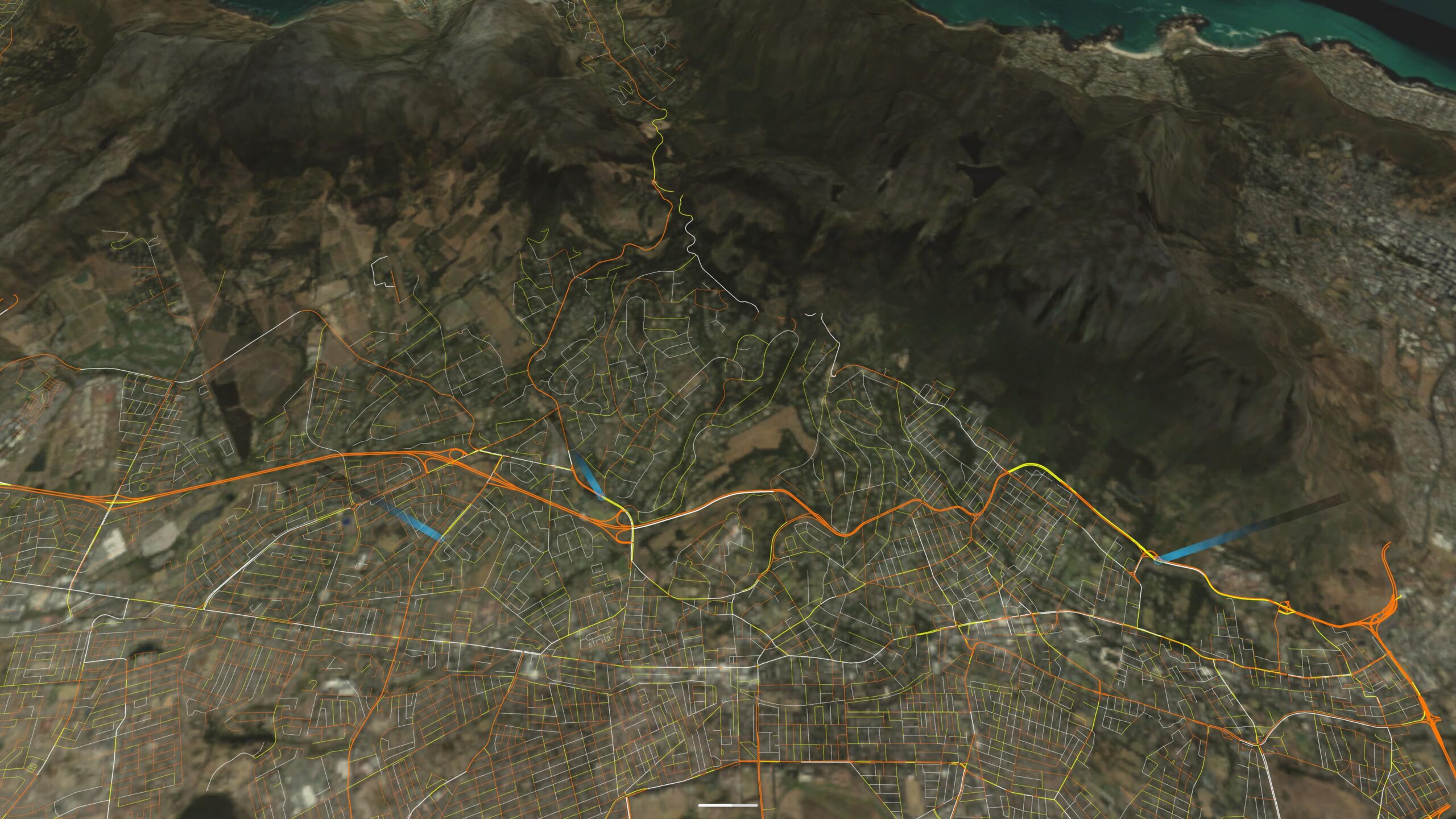
  • Digital Tools: Used modelling and visualisation technologies to support scenario planning and investment forecasting.

Zutari’s lifecycle cost optimisation framework helps Cape Town manage transport assets sustainably and efficiently.

The outcome

The project delivered a robust decision-support tool that empowers the City to make informed infrastructure investment choices. It enhances transparency, accountability and long-term planning, contributing to a more resilient and cost-effective transport system.

Zutari’s work with the City of Cape Town demonstrates the power of engineering and data to transform urban infrastructure management. The lifecycle cost optimisation framework is a model for municipalities seeking to maximise value from their transport assets while ensuring sustainable service delivery.

Managing infrastructure sustainably requires a strategic approach to lifecycle cost optimisation, ensuring long-term value and service delivery.

Related projects

Co-creating globally impactful projects that drive sustainable growth and reframe what’s possible.