




Shaping the Future of Structural Engineering
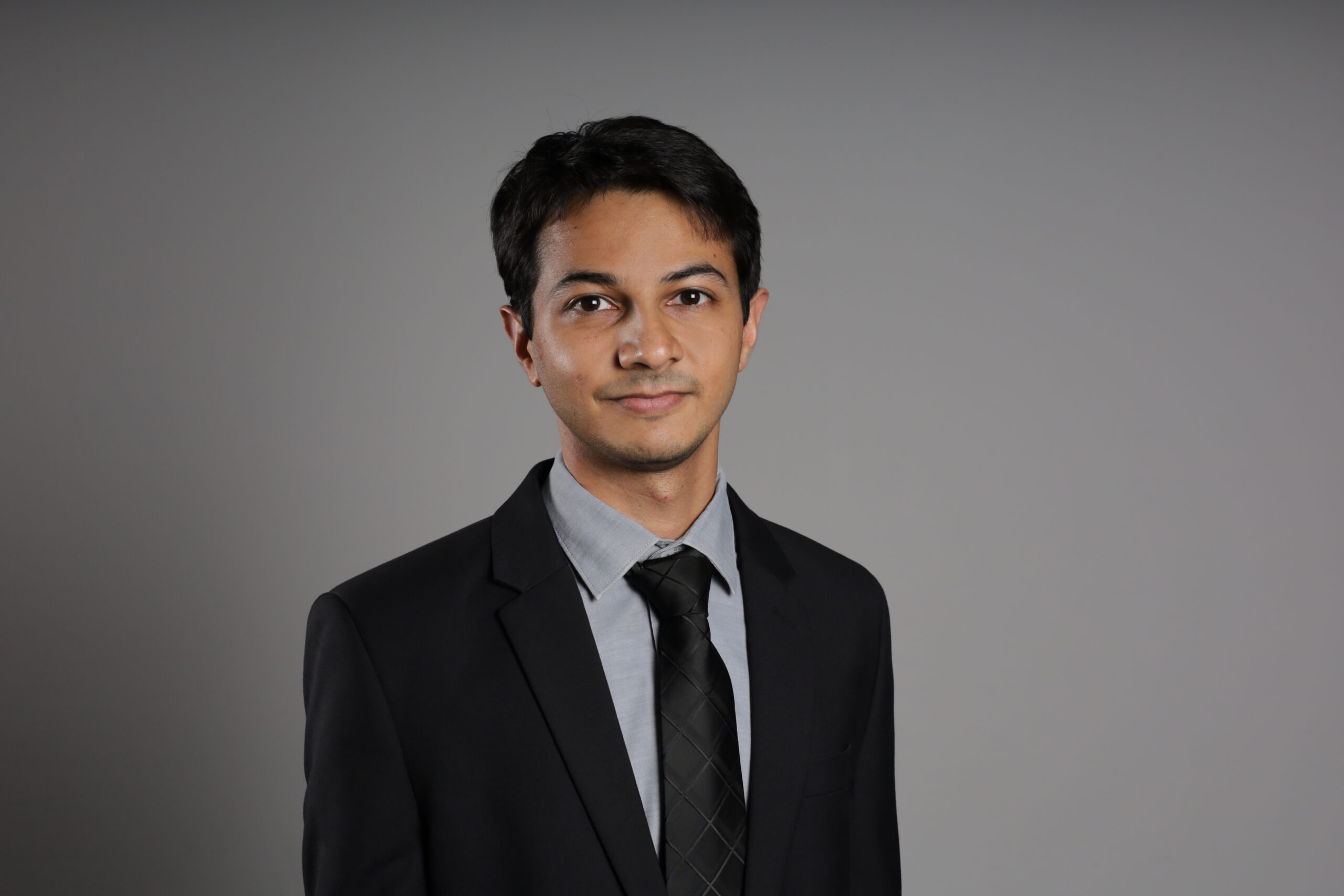
The theme “Beyond Structural Engineering in a Changing World” came alive at the IABSE Congress in San José, Costa Rica, where global experts gathered to discuss the evolution of the discipline. Among them was Sachin Ravjee, an Associate Bridge Design Engineer at Zutari and PhD candidate at the University of Pretoria (UP), who proudly represented Africa on this world stage.
As the only African presenter at the congress, Sachin showcased his research on structural health monitoring (SHM) of the Senqu Bridge, part of the Polihali Major Bridges Project for the Lesotho Highlands Development Authority (LHDA).
“It felt good to stand up there and talk about our project and the work we do,” said Sachin. “I was proud to represent Zutari, the University of Pretoria, South Africa, and the African continent as a whole.”
Engineering Beyond the Numbers
The congress theme inspired Sachin to look beyond traditional design and consider engineering’s broader societal and environmental impact.
“It wasn’t just about the numbers,” he explained. “It was about how our projects can adapt to the changing needs of society and the environment.”
This mindset aligns with Zutari’s commitment to sustainable design, innovation, and human-centred engineering, where technical excellence meets social and environmental awareness.
Senqu Bridge: A Landmark of Innovation in Africa
Sachin’s paper, “Structural Health Monitoring of an Incrementally Launched Extradosed Stay Cable Bridge,” explores cutting-edge monitoring technologies integrated into Senqu Bridge, the largest structure in Phase II of the Lesotho Highlands Water Project.
This extra-dosed stay cable bridge, which spans 825 metres, marks a significant milestone in African bridge engineering. By applying advanced SHM systems, engineers can monitor the bridge’s performance in real time, enhancing safety, durability, and cost efficiency.
The Polihali Major Bridges Project not only represents technical excellence but also brings tangible socio-economic benefits to Lesotho, creating jobs, improving infrastructure, and fostering collaboration among regional and international engineering teams.
Collaboration and Learning Across Borders
Sachin’s journey began at the University of Pretoria, where he completed his undergraduate and master’s degrees in civil engineering. Since joining Zutari in 2018, he has contributed to major bridge projects that have shaped his professional growth and deepened his understanding of large-scale infrastructure delivery.
“Working with people from different backgrounds has allowed me to soak up their knowledge and experience,” he reflected. “That diversity of thought is vital in solving today’s complex engineering challenges.”
The Future of Structural Engineering
The IABSE Congress 2025 hosted over 300 international delegates, underscoring the importance of collaboration, knowledge sharing, and digital innovation in shaping the future of structural and bridge engineering.
Sachin’s participation reflects a growing African presence on the global engineering stage and highlights Zutari’s role in driving forward-thinking, sustainable solutions that go beyond structural engineering.
As technology, climate, and society evolve, engineers like Sachin Ravjee demonstrate how Africa’s engineering talent continues to influence global discourse, creating infrastructure that connects people, strengthens communities, and sustains progress.

